

News
How Brooklyn, Queens, and the Bronx are structurally different residential markets
Aug 17, 2026 · Realtors Fund Team
Why structure matters before price
Every NYC residential deal sits inside a physical and regulatory container. Before you look at price per square foot, it helps to understand what kind of container you're working with. Brooklyn, Queens, and the Bronx each have distinct bones — different lot fabrics, different building typologies, different relationships to transit and zoning history. Those differences drive deal structure, not just price.
Brooklyn: density layered over a 19th-century grid
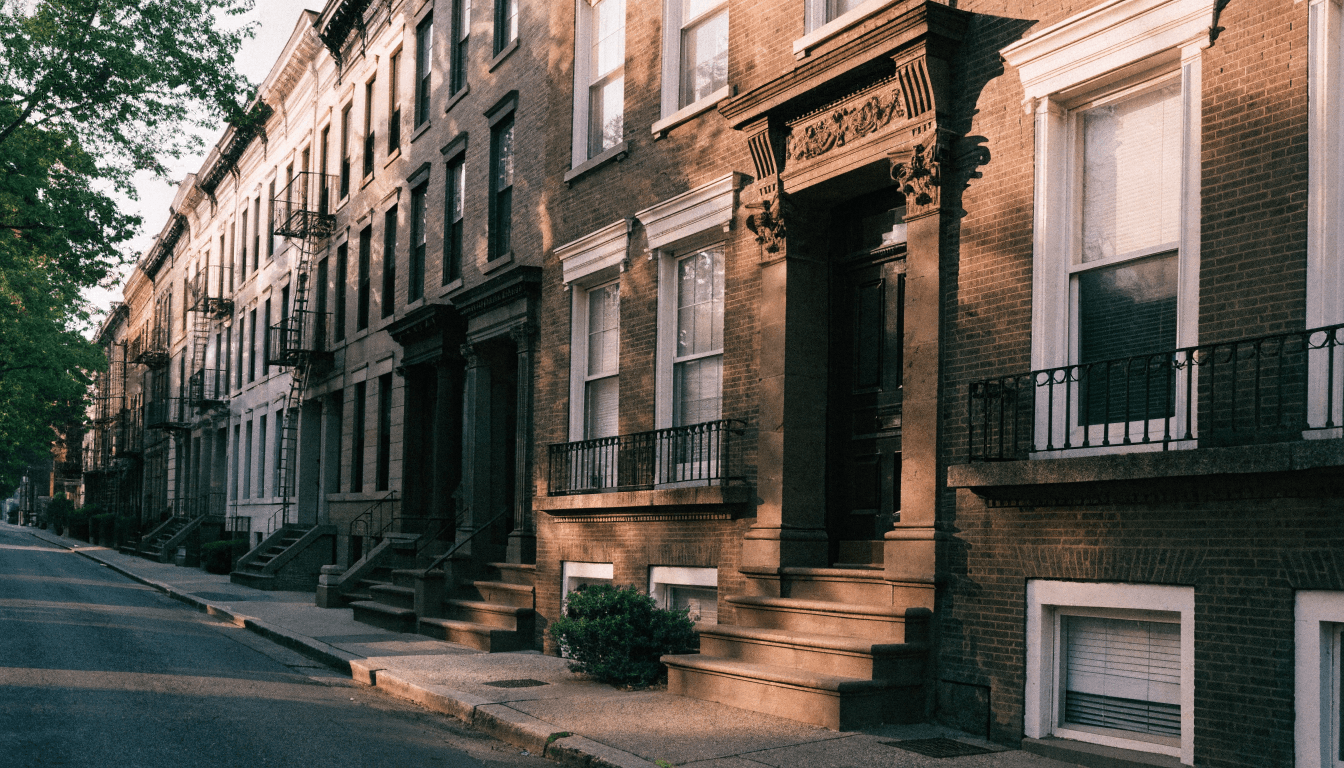
Brooklyn's residential stock is built on a relatively tight, consistent street grid inherited from its independent-city era. That grid produced a housing form that defines the borough: the two- to four-family brownstone or limestone rowhouse, built on lots that are typically 20 feet wide and 100 feet deep.
A few structural features worth understanding:
- Mixed-use fabric at scale. Residential blocks sit immediately adjacent to commercial corridors, and many buildings carry ground-floor retail with residential above — a legacy of neighborhood-scaled commercial zoning.
- Condo conversion pipeline. A significant share of Brooklyn's transaction activity involves converting existing two- to four-family buildings into condos, which requires navigating the Attorney General's offering plan process.
- Active ground-up development. Rezoned corridors — particularly in north and central Brooklyn — have absorbed substantial new multifamily and mixed-use construction over the past two decades. That activity has introduced elevator buildings and larger floorplates into neighborhoods previously dominated by walk-ups.
- Transit density. Brooklyn has one of the most robust subway networks of the outer boroughs, which compresses the premium gap between transit-adjacent and transit-distant blocks.
Queens: the most internally varied borough
Queens is harder to generalize because its residential character shifts dramatically by neighborhood. That variation is structural, not just stylistic.
- Lot and building diversity. Western Queens — Long Island City, Astoria, Jackson Heights — carries denser, more urban typologies: mid-rise apartment buildings, attached rowhouses, and mixed-use walk-ups. Moving east, the borough transitions toward detached single-family homes on wider lots, suburban-scaled setbacks, and private driveways. These two zones operate as functionally different markets.
- Co-op concentration. Queens holds a large share of NYC's pre-war co-op inventory, particularly in areas like Forest Hills and Rego Park. Co-op underwriting involves board approval processes and financing restrictions that don't apply to condos or rentals — a structural constraint that affects deal velocity and buyer pools.
- Transit bifurcation. Subway access is strong in the western third of the borough and drops off significantly heading east, where the LIRR and bus networks carry more of the commuter load. That gap influences which neighborhoods sustain investment demand from city-based buyers versus owner-occupants with cars.
- Airport adjacency effects. Neighborhoods near JFK and LaGuardia carry noise easements and flight-path restrictions that affect zoning envelopes and, in some cases, building heights — a site-specific factor worth checking early in due diligence.
The Bronx: the most underbuilt borough relative to its land
The Bronx is structurally different from Brooklyn and Queens in one important way: it has more developable land per capita, and more of that land is in public or institutional hands.
- Housing stock age and type. The residential base skews toward large pre-war and post-war rental buildings — six-story walk-ups and elevator towers that were built under earlier financing programs. Single-family and two-family homes exist but are concentrated in specific sub-markets like Riverdale and parts of the northeast Bronx.
- Rent-stabilization concentration. The Bronx carries a high proportion of rent-stabilized units relative to its overall housing stock. Acquiring a rent-stabilized building means inheriting regulatory constraints on rent increases, vacancy decontrol rules, and capital improvement pass-through calculations — all of which factor into hold-period underwriting.
- Development pipeline mechanics. Much of the new residential development in the Bronx has been structured around affordability programs — 421-a (now Affordable New York), RAD conversions, and city-sponsored RFPs. Understanding which programs are active and how they interact with current zoning is foundational to evaluating ground-up opportunity in the borough.
- Transit strengths and gaps. The south and southwest Bronx have strong subway connectivity to Manhattan. The eastern and northern Bronx rely more heavily on Metro-North and express buses, which changes the commuter profile of those neighborhoods.
The takeaway
Brooklyn, Queens, and the Bronx each have a distinct physical and regulatory DNA — and reading that DNA before you read the price is how experienced operators frame their analysis.
Want to see how a real deal screens?
Run a NYC address through the fund's own screening tools — free, from the public record.
Educational content only — not investment, legal, or tax advice, and not an offer of securities. Any offering is made only through the fund's offering documents, which govern in all cases.
← All posts