

News
How a NYC fix-and-flip actually works, start to finish
Aug 3, 2026 · Realtors Fund Team
Why NYC flips work differently
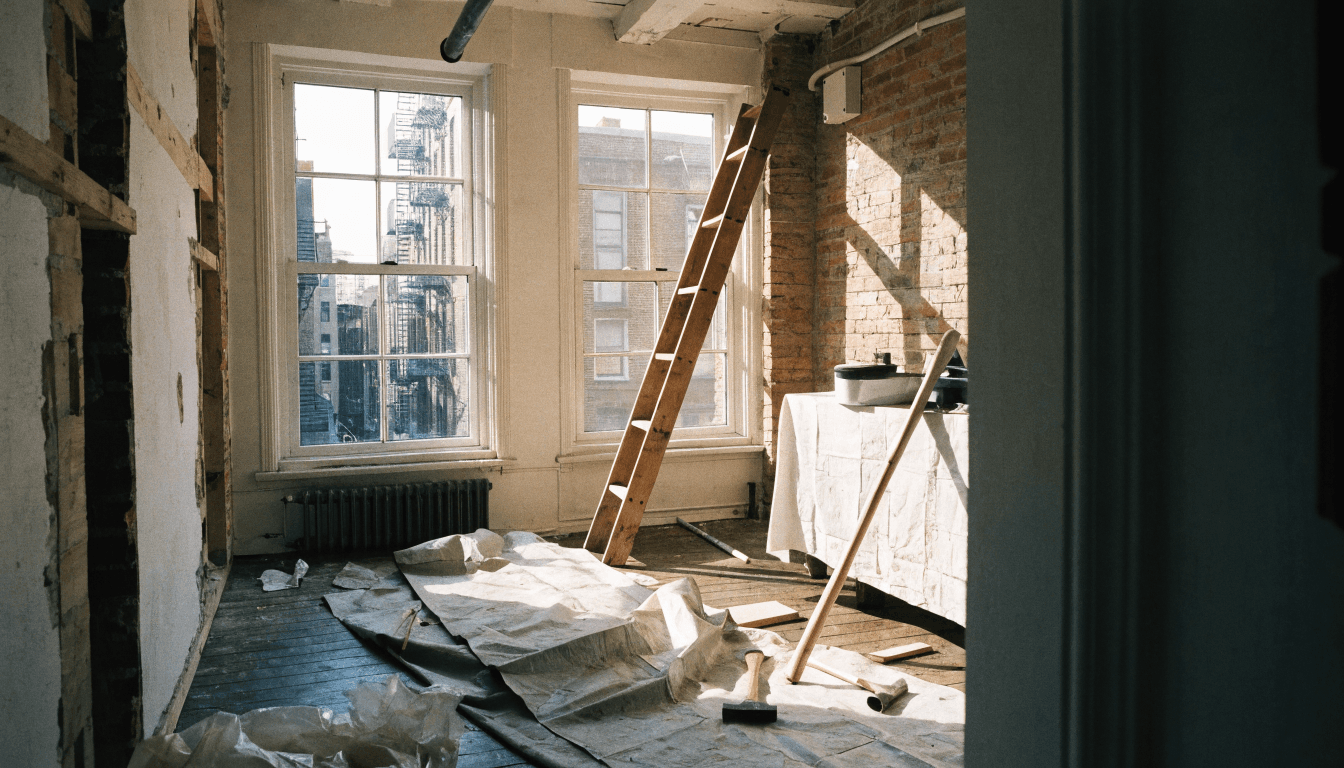
Most fix-and-flip content is written for suburban markets — single-family homes, open lots, straightforward permits. New York City is a different operating environment. Older buildings, co-op and condo board approvals, layered city agencies, and dense urban logistics all shape how a project moves.
Understanding the anatomy of a NYC flip helps realtors better advise clients and helps investors understand what sponsors actually do with capital.
Stage 1: Acquisition
Every project starts with a sourced deal. In NYC, that usually means one of three entry points:
- Off-market direct outreach to distressed or motivated sellers
- Auction or estate sales, which often produce properties in deferred-maintenance condition
- Broker-brought listings priced to reflect a property's condition
At acquisition, the sponsor underwrites two numbers before anything else: the estimated cost to renovate and the likely resale value in the specific submarket. Both figures drive the offer price. Overpaying at acquisition is the most common mistake in the business — no amount of renovation work corrects a bad entry price.
The purchase typically closes in cash or with a short-term bridge loan. Conventional financing is rarely available for properties in significant disrepair.
Stage 2: Scope of work
Once under contract, a licensed contractor walks the property and produces a scope of work — a line-item breakdown of every trade involved. In NYC, that list often includes:
- Plumbing and electrical upgrades to current code
- HVAC systems (window units are no longer acceptable in most repositioned units)
- Kitchen and bath finishes
- Flooring, millwork, and paint
- Facade, windows, or roof work if the building envelope is compromised
- Lead and asbestos abatement in pre-1978 buildings, which describes most of the city's housing stock
Scope decisions are strategic. A sponsor targeting a buyer at the upper end of a neighborhood's price range makes different finish selections than one targeting a median buyer. The scope sets the budget ceiling.
Stage 3: Permits and the DOB
This is where NYC diverges most sharply from other markets. The New York City Department of Buildings (DOB) requires permits for most structural, mechanical, and significant cosmetic work. Unpermitted work can cloud title, delay resale, and create liability.
A licensed expediter is typically hired to navigate the filing process. Common permit types include:
- Alteration Type 1 (Alt-1): Major changes affecting use, egress, or occupancy
- Alteration Type 2 (Alt-2): Mechanical, plumbing, or structural work within an existing use
- Alteration Type 3 (Alt-3): Minor work that does not affect primary systems
In landmarked buildings or historic districts — a significant portion of NYC's desirable residential stock — the Landmarks Preservation Commission (LPC) must also approve exterior changes before DOB will accept filings.
Permit timelines vary. A straightforward Alt-2 can be approved in weeks. A complex project in a landmarked district can take several months before a shovel touches the ground.
Stage 4: Construction and timeline
Once permits are in hand, active construction begins. A typical NYC residential fix-and-flip runs six to eighteen months from contract signing to resale closing. That range reflects real variables:
- Building type: A gut renovation of a townhouse moves differently than work inside a co-op building with board-mandated construction windows and elevator schedules
- Permit complexity: Projects requiring LPC review or DOB objections add time
- Contractor capacity: Skilled trades in NYC are in demand; sequencing labor is an active management task
- Inspection milestones: DOB inspections are required at specific stages; a failed inspection pauses work until it is resolved
Sponsor discipline during construction — staying on scope, managing draw schedules, and tracking the permit closeout process — is what separates projects that close on time from those that drift.
Stage 5: Resale
The project exits when the renovated property sells. In NYC, that involves a broker (often the same realtor community reading this), a REBNY-standard contract, and an attorney closing. For co-op resales, add board approval, which introduces its own timeline variable.
The sponsor's job at resale is to present a finished product that matches the submarket's buyer expectations — priced correctly, staged well, and with a clean certificate of occupancy or letter of completion from DOB.
The roles involved
A single NYC flip touches a wide network of professionals:
- Acquisition broker or wholesaler
- Real estate attorney (contract through closing)
- Title company
- Bridge lender or capital partner
- Licensed expediter
- General contractor and subcontractors (plumbing, electric, HVAC, carpentry)
- DOB and, where applicable, LPC
- Selling broker
- Buyer's attorney
Each handoff is a potential delay. Experienced sponsors build relationships with reliable players in each role before a project starts.
The takeaway
A NYC fix-and-flip is a sequenced, permit-driven, multi-party process — understanding that sequence is what allows sponsors to manage timelines and risk with any consistency.
Want to see how a real deal screens?
Run a NYC address through the fund's own screening tools — free, from the public record.
Educational content only — not investment, legal, or tax advice, and not an offer of securities. Any offering is made only through the fund's offering documents, which govern in all cases.
← All posts